
4 Prayer Principles from the Bible
Imagine being in a relationship with a spouse, boyfriend, or girlfriend without communication. Isn’t it strange if two people say they’re in love but don’t talk to each other?
It’s the same in our relationship with our Heavenly Father, who longs to hear from us and wants to talk with us every day. That’s what prayer is: communication with God, and it’s a privilege that we have direct access to the Creator of the universe in this way.
An active prayer life is one of the most important habits to cultivate as Christians. The Bible commands it throughout the Old and New Testament (2 Chronicles 7:14, Ephesians 6:18) and Jesus practised it regularly (Matthew 14:23, Luke 5:16).
Prayer is also a powerful tool to help us overcome life’s challenges in the physical and spiritual realms. In this article, let’s look at four prayer principles and the Bible characters who best modelled them:
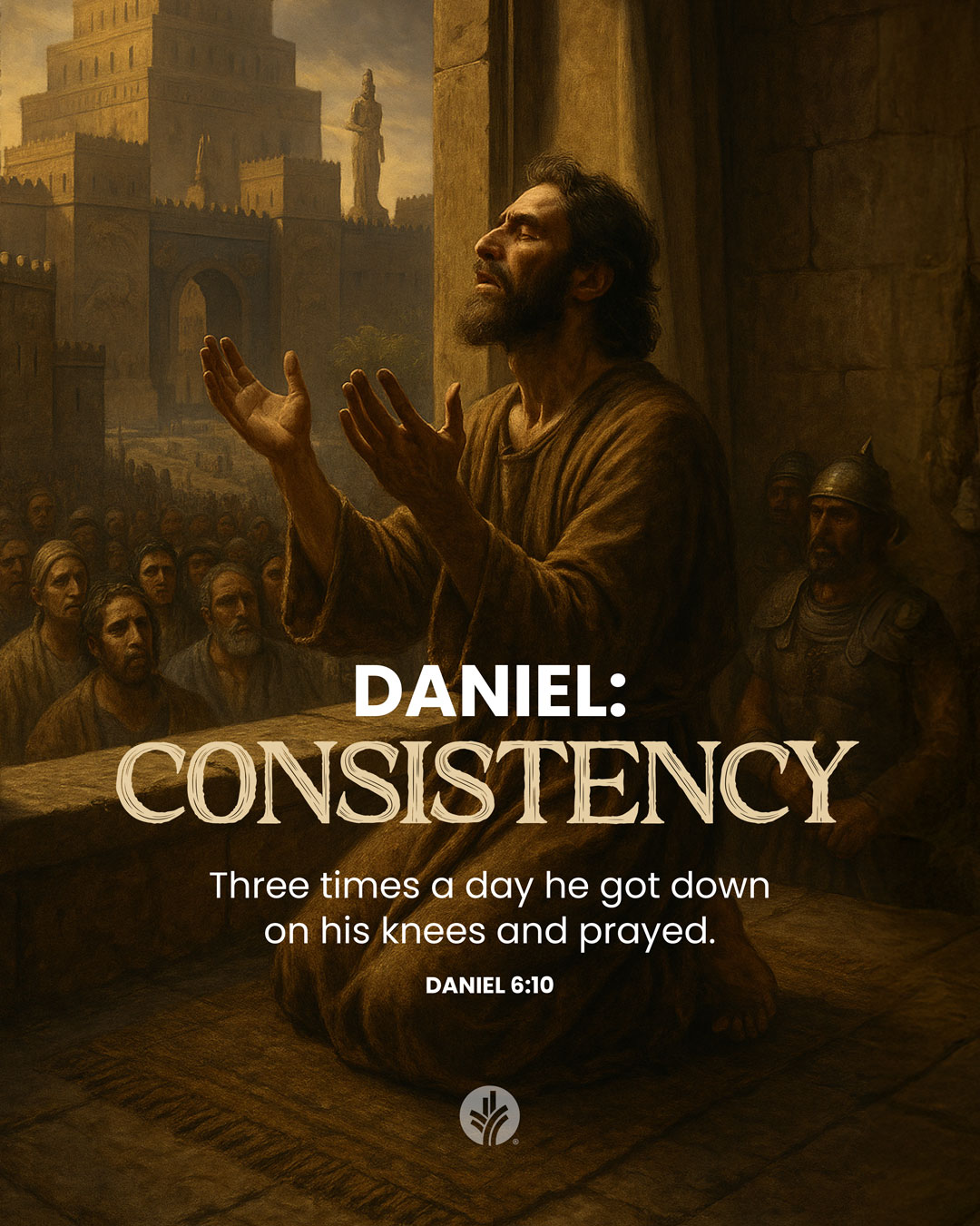
1. Consistency – Daniel
Key verse: “Three times a day he got down on his knees and prayed…” – Daniel 6:10
Insight: The Book of Daniel is popular for stories of the lion’s den and King Nebuchadnezzar’s dream interpretations. However, it was Daniel’s consistent prayer life and close relationship with God that gave him the courage, wisdom, and integrity to live an exiled life in Babylon from the time he was a young teenager until he was an old man in his 80’s. His habit, as the NKJV version says was “his custom since early days”, was to pray three times a day, kneeling in the privacy of his room by the window facing Jerusalem (Daniel 6:10).
Takeaway: Some research says it takes 21 days to build a habit, while others promote the power of small changes and becoming 1% better every day. Perhaps like the Malay proverb “sedikit-sedikit lama-lama jadi bukit” (little by little, eventually it becomes a hill), we can apply this to our prayer lives, starting with one minute every day; then increasing our prayer time to two minutes, three, four, five; and eventually, a longer time.

2. Honesty – Hannah
Key verse: “…I was pouring out my soul to the Lord.” – 1 Samuel 1:15
Insight: Hannah lived at a time in ancient Israel when a woman’s value was tied to her ability to bear children. Being barren, she was continually taunted by her husband Elkanah’s other wife, Penninah, who bore him children. Her story in 1 Samuel detailed her grief and how she constantly wept and did not eat (1 Samuel 1:8). However, she took action (“Hannah stood up”, v.9) by heading to the temple to pray (v.10-11). There, she poured her heart out to God in “great anguish and grief” (v.16), so much so that Eli the priest observing her thought she was drunk (v.13).
Takeaway: In cultures where we’re not encouraged to express strong emotions, ask directly for what we want, or where we view God as a “stern father figure”, being honest with God can be difficult. But like Hannah, we can learn to be open and vulnerable and ask boldly for what we want, all the while approaching God with humility and submitting to His sovereignty.
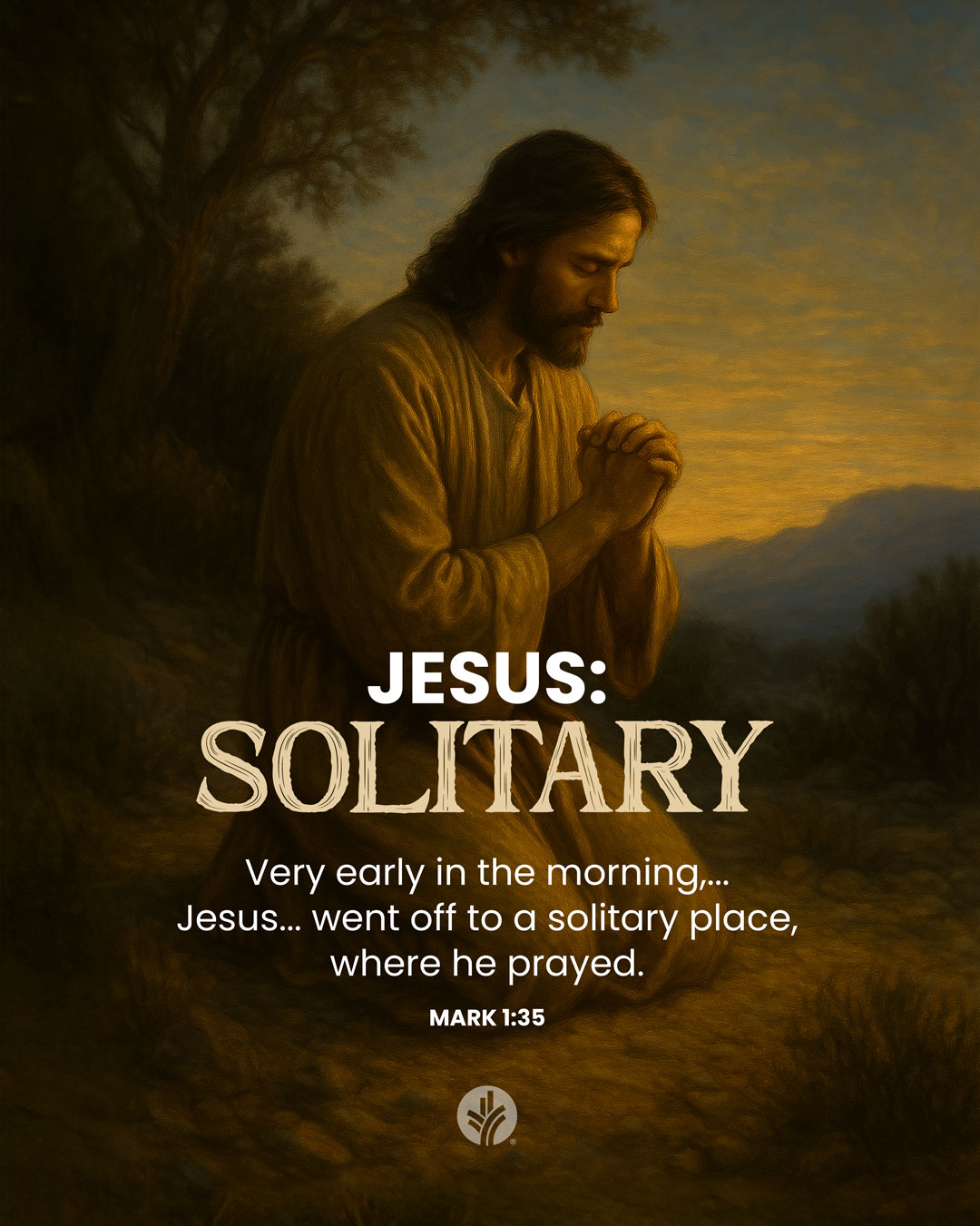
3. Solitary – Jesus
Key verse: “Very early in the morning, while it was still dark, Jesus got up, left the house and went off to a solitary place, where he prayed.” – Mark 1:35
Insight: No other character in the Bible exemplified prayer like Jesus Himself, who taught it, practised it, and gave us the Lord’s Prayer in response to a disciple asking, “Lord, teach us to pray” (Luke 11:1). Jesus prayed in public when strangers asked for healing, but also in private away from the crowds. In fact, He taught in Matthew 6:6 to “go into your room, close the door and pray to your Father”. In public or private, His life was marked by constant communication, dependence, and submission to the Father, up till the point of death.
Takeaway: The terms “quiet time” or “devotion” may bring to mind prayer and Bible reading early in the morning, but it can be whenever, throughout the day. As powerful as corporate prayer may be, spending time with God one-on-one is just as important because private prayer allows us to grow in intimacy in our relationship with Him.
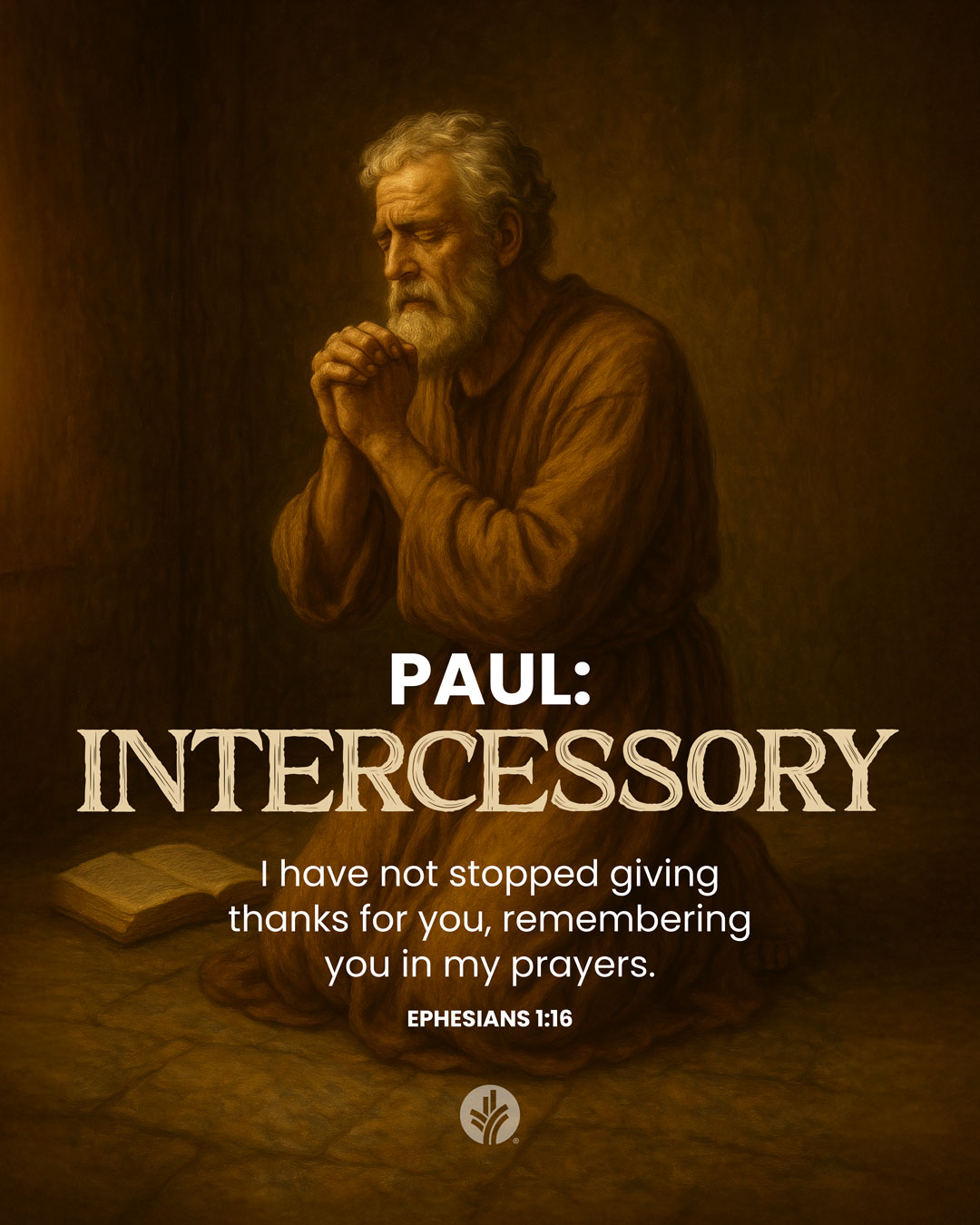
4. Intercessory – Paul
Key verse: “I have not stopped giving thanks for you, remembering you in my prayers.” – Ephesians 1:16
Insight: The Apostle Paul was a great intercessor, as seen in the letters he wrote to the churches in Rome, Corinth, Thessalonica, Ephesus and more. He introduced many of his epistles with a note of greeting, thanksgiving and how he was constantly praying for their spiritual growth, especially in wisdom and revelation. He prayed for his disciples Timothy (2 Tim 1:3) and Philemon (Philemon 1:4), too and ended many of his letters with his own prayer requests, proof that he understood the power of prayer by righteous men and women to change circumstances.
Takeaway: Paul’s life shows that prayer is not just for ourselves, but for others. By praying for others, we are participating in God’s work and fulfilling His purposes in their lives as we are co-heirs with Christ. So let’s intercede regularly for others, like family members, colleagues, and church leaders; let’s pray for the nations and for others’ salvation, as God wants everyone to be saved.
If you’re still unsure about how to pray or why prayer is so important, head to Prayer Changes Things to find resources and be encouraged by readers’ testimonies.
About the Author
Wan Phing Lim is a contributor to Our Daily Bread Ministries Malaysia. Born and raised in Penang, she studied Politics before turning to a career in writing. She loves coffee, books and films.
To read other Spotlight Malaysia articles, click below.

